

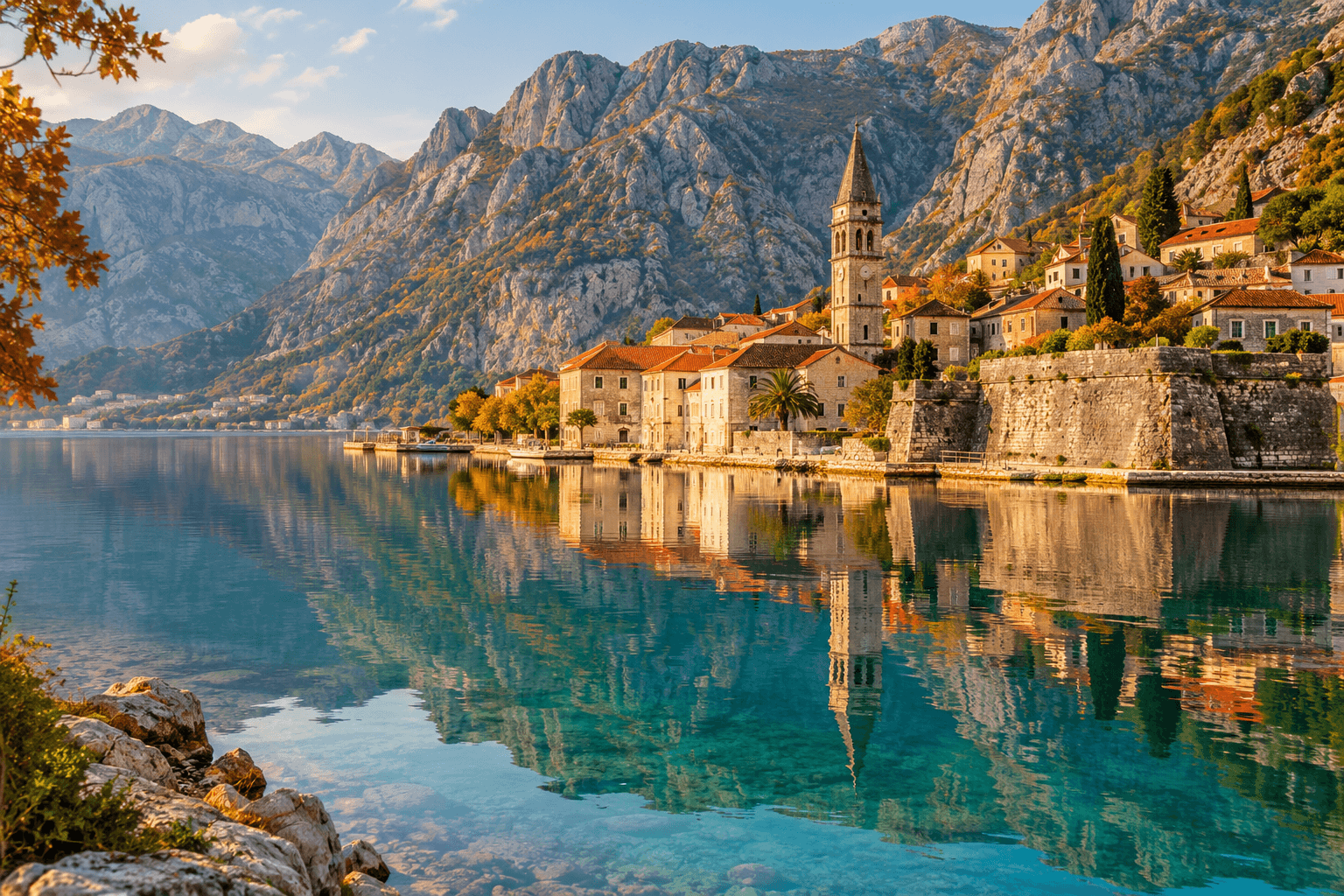
Best Time to Visit Montenegro: Honest Month-by-Month Guide for 2026
The best time to visit Montenegro depends entirely on what you want from the trip.
If you want beaches, sea swimming, and a lively resort atmosphere July and August deliver all three, despite the heat and crowds. If you want to walk Kotor Old Town without navigating around cruise ship groups, hike Durmitor in cool mountain air, or photograph Sveti Stefan in extraordinary light September and October are categorically better.
This guide covers every month honestly weather, sea temperatures, crowd levels, prices, and what each season is actually best for. It also covers the best time to visit Kotor Montenegro specifically (different from the rest of the country due to cruise ship traffic), the best time to combine Montenegro with Croatia or Albania, and the months that most travel guides recommend but honest experience suggests avoiding.
Table of Contents
What Is the Best Time to Visit Montenegro?
| Your Priority | Best Month(s) | Avoid |
|---|---|---|
| Beaches + swimming | June, September | November–April (sea too cold) |
| Sightseeing (Kotor, Budva) | May, October | July–August (cruise ship crowds) |
| Hiking + national parks | June, September, October | November–May (snow on high trails) |
| Budget travel | April, October, November | July–August (peak prices) |
| Best of everything ⭐ | September | August |
| Skiing + snow | December–March | April–November (no snow) |
| No crowds at all | January, February | July–September |
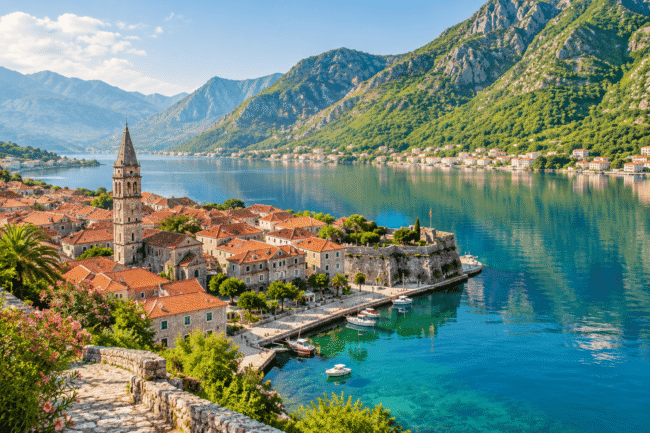
Montenegro Weather at a Glance Month by Month
| Month | Temp (Coast) | Sea Temp | Crowds | Price | Rating |
|---|---|---|---|---|---|
| Jan | 5–12°C | 14°C | Minimal | 💰 Lowest | ⭐⭐⭐☆☆ |
| Feb | 6–13°C | 14°C | Minimal | 💰 Lowest | ⭐⭐⭐☆☆ |
| Mar | 9–16°C | 15°C | Very low | 💰 Low | ⭐⭐⭐☆☆ |
| Apr | 13–19°C | 17°C | Low | 💰💰 Low | ⭐⭐⭐⭐☆ |
| May ⭐ | 18–24°C | 19–20°C | Moderate | 💰💰 Medium | ⭐⭐⭐⭐⭐ |
| Jun ⭐ | 22–28°C | 21–22°C | Moderate–High | 💰💰💰 Med-High | ⭐⭐⭐⭐⭐ |
| Jul | 28–35°C | 24–25°C | Very High | 💰💰💰💰 High | ⭐⭐⭐☆☆ |
| Aug | 30–38°C | 25–27°C | Peak | 💰💰💰💰💰 Peak | ⭐⭐☆☆☆ |
| Sep ⭐⭐ | 24–29°C | 24–25°C | Moderate | 💰💰💰 Medium | ⭐⭐⭐⭐⭐ |
| Oct ⭐⭐ | 18–23°C | 20–21°C | Low | 💰💰 Low-Med | ⭐⭐⭐⭐⭐ |
| Nov | 11–17°C | 17°C | Very low | 💰 Low | ⭐⭐⭐☆☆ |
| Dec | 7–13°C | 15°C | Minimal | 💰 Very Low | ⭐⭐⭐☆☆ |
Best Time to Visit Montenegro by Season
Spring (April–May) Second Best Overall
- April: 13–19°C, sea 17°C, low–moderate crowds
- May: 18–24°C, sea 19–20°C, moderate crowds, ⭐⭐⭐⭐⭐
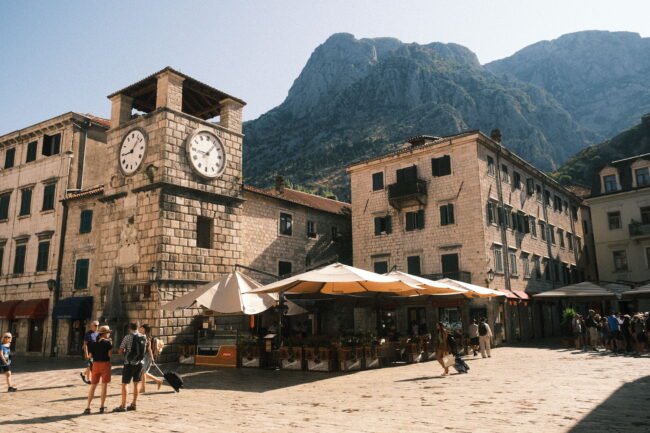
Spring is Montenegro at its most visually lush. The limestone hillsides above Kotor, scorched pale grey by August, are vivid green in April and May. Durmitor National Park emerges from snow with wildflower meadows and snow-capped peaks reflected in the glacial lakes. Lake Skadar fills with water lilies in late April and May, making boat excursions from Virpazar spectacular. Once you have chosen your month, see our how to get from Dubrovnik to Montenegro guide for transport options.
Why May specifically:
May is the best spring month by a clear margin. The sea reaches 19–20°C, genuinely warm enough for swimming. Temperatures on the coast hit 20–24°C, which is ideal for walking old towns, hiking fortress trails, and exploring national parks without heat exhaustion. Accommodation prices are 20–35% lower than June, and the crowds are significantly more manageable.
What to expect in spring:
Kotor Old Town is busy on weekends in May as Croatian and Serbian visitors arrive for long weekends, but manageable on weekdays. Durmitor National Park fully opens in May. Most coastal restaurants and guesthouses reopen for the season in April. The Bay of Kotor boat tours begin regular daily departures from mid-April.
Best for: Hiking Durmitor, Lake Skadar lily season, sightseeing in Kotor without summer heat, photography with green landscapes
Early Summer (June) Best Beach + Sightseeing Balance
June: 22–28°C, sea 21–22°C, moderate–high crowds, ⭐⭐⭐⭐⭐
June is the last month before the July–August peak. The sea reaches 21–22°C warm for comfortable sea swimming. Temperatures are warm and sunny without the oppressive 35–38°C heat of July and August. The old towns are busy but navigable unlike July when Kotor receives cruise ships nearly every day.
The June advantage:
Accommodation prices in June are typically 15–25% lower than peak July. Most facilities are fully open. The Budva Riviera beaches are enjoyable without the August sardine-tin density. Durmitor’s hiking trails are at their best snow cleared from the higher routes, meadows vivid green.
The June warning:
School holidays in Serbia, Bosnia, and Montenegro begin in mid-to-late June. Avoid the last two weeks of June if possible the domestic tourist influx significantly increases coastal crowds.
Best for: Beach and sightseeing combined, Durmitor hiking, best overall balance of all factors
Peak Summer (July–August) Best for Beaches, Worst for Everything Else
- July: 28–35°C, sea 24–25°C, very high crowds, high prices
- August: 30–38°C, sea 25–27°C, peak crowds, peak prices
July and August are when Montenegro is at its most popular and, for anyone visiting for reasons beyond lying on a beach, at its least enjoyable.
The honest problem with July and August:
Kotor: Receives cruise ships daily between June and September, but July and August bring the heaviest days up to 3–4 ships in port simultaneously, each discharging hundreds of passengers into an old town that covers just 8 hectares. The narrow streets between 10am and 6pm become genuinely uncomfortable. Restaurants within the walls are significantly more expensive and significantly worse quality than they are in May or October.
Heat: The coastal plain between the bay and the mountains traps heat dramatically. Temperatures of 35–38°C in Kotor, Budva, and Herceg Novi are common in August. Hiking the Kotor Fortress trail in this heat is unpleasant and potentially dangerous without significant preparation.
Prices: Accommodation in Kotor and Budva in August can cost 60–80% more than the same room in October.
When July–August works:
If your primary aim is Budva beach and the Adriatic, July and August are genuinely excellent. The sea is warm, the beach scene is lively, and the resort infrastructure is at full capacity. Go early morning (7–9am) or late afternoon (after 5pm) for sightseeing. Take day trips to Durmitor and Lovćen where the altitude makes the heat manageable.
Best for: Beach holidays only, Adriatic swimming, resort atmosphere
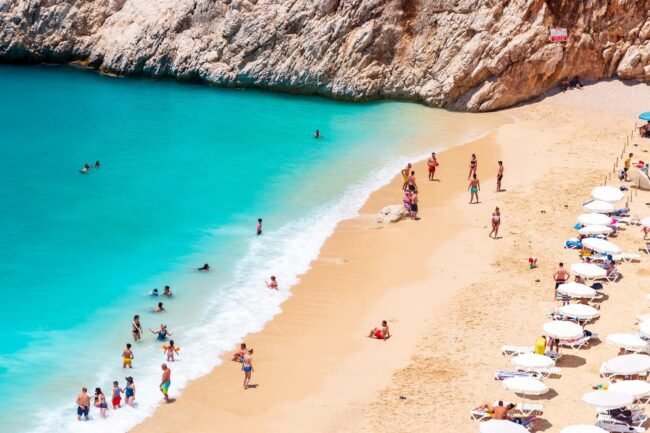
Early Autumn (September) The Best Month to Visit Montenegro
September: 24–29°C, sea 24–25°C, moderate crowds, medium prices ⭐⭐⭐⭐⭐
September is widely considered the best single month to visit Montenegro, and the reasoning is straightforward: it delivers everything July–August offers warm weather, warm sea, sunny days while the crowds have reduced significantly after the school holiday period ends in the first week of September.
What September gives you:
The sea in September is at its warmest average temperature of the entire year 24–25°C after months of summer heating. The coast still has beach weather (25–29°C air temperature) without the July–August extremes. Kotor’s cruise ship traffic reduces noticeably from mid-September. Durmitor begins its early autumn transition, the mountain grasses turn gold, the first hints of forest colour appear, and the trails have significantly fewer walkers than August.
Prices in September:
From early September (after 7–10 September when most Serbian, Bosnian, and Montenegrin school holidays end), accommodation prices begin dropping. Mid-September to end-September typically sees prices 20–30% lower than peak August with comparable or better experience.
Best for: Everything the best overall month for beaches, sightseeing, hiking, photography, and value
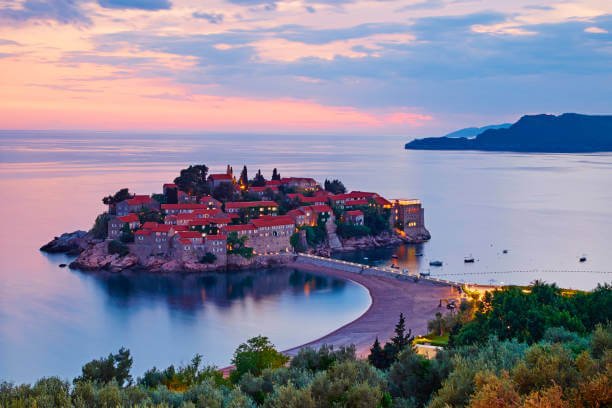
Late Autumn (October) Best for Hiking and Sightseeing Without Crowds
October: 18–23°C, sea 20–21°C, low crowds, low–medium prices ⭐⭐⭐⭐⭐
October is the best-kept travel secret in Montenegro. The coastal summer crowds have entirely gone. Kotor in October is genuinely quiet, the old town navigable at any hour, and the accommodation prices 30–40% lower than August.
October sea temperature: 20–21°C is still warm enough for most swimmers. The Adriatic retains summer heat well into October; a morning swim in Mogren Beach or the beaches near Petrovac in mid-October is entirely comfortable.
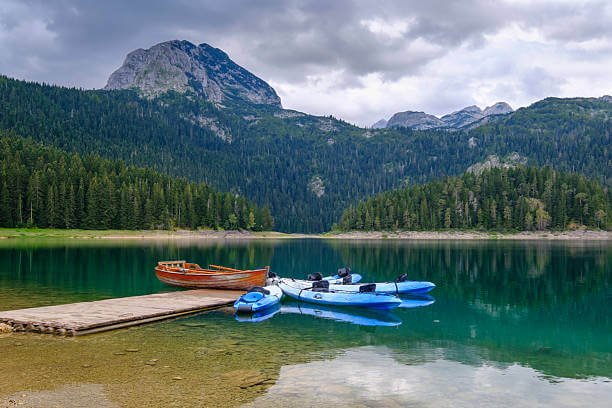
Durmitor in October: The national park is at its most visually extraordinary in October. The forest Macedonian pine, beech, and birch turns vivid red, gold, and amber. Black Lake reflects the autumn colours. The trails are uncrowded. Higher routes (above 2,000m) may have early snow by late October check conditions before attempting summit hikes.
What closes in October:
Some beach clubs and seasonal restaurants in Budva and along the Budva Riviera begin closing in October. The Bay of Kotor boat tours typically continue through mid-to-late October depending on weather. Most Kotor restaurants and guesthouses remain open through October and into November.
Best for: Hiking Durmitor, photography, Kotor without crowds, best value of any warm-weather month
Winter in Montenegro (December to February)
Winter Montenegro offers two very different experiences depending on where you go.
Coastal winter (Kotor, Budva, Herceg Novi): Mild by European standards (average January high 12°C in Kotor) but rainy. Many seasonal restaurants and guesthouses close November–March. Kotor in January is one of Europe’s most undervisited experiences medieval streets completely empty, extraordinary winter bay atmosphere, accommodation at
less than half the summer peak. Not for everyone, but remarkable for the right traveler.
Mountain winter (Durmitor, Žabljak, Kolašin): Montenegro’s other winter face. Durmitor National Park around Žabljak receives reliable snow in November–March. Savin Kuk ski area offers skiing in December–March. Kolašin (1,000m altitude) is the second ski area, closer to Podgorica airport. Both are significantly more affordable than Alpine ski resorts.
Best Time to Visit Montenegro by Activity
| Activity | Best Months | Why |
|---|---|---|
| Beach swimming | June, September | Warm sea (21–25°C), fewer crowds than July–Aug |
| Kotor sightseeing | May, October | No cruise ship crowds, comfortable temperatures |
| Durmitor hiking | June, September | Trails fully open, weather ideal, not too hot |
| Autumn photography | October | Durmitor autumn colours, golden coastal light, empty towns |
| Lake Skadar lilies | May–June | Water lilies in bloom, birdwatching peak season |
| Tara Canyon rafting | May–September | River levels best in spring/early summer |
| Durmitor skiing | December–March | Reliable snow at Žabljak 1,450m altitude |
| Budget travel | October, April | 30–50% lower accommodation prices vs peak |
| Beach + sightseeing | September ⭐ | Best of both — warm sea, manageable old towns |
| Kotor without crowds | January ⭐ | Completely empty old town, atmospheric winter bay |
Best Time to Visit Kotor Montenegro
The best time to visit Kotor Montenegro is different from the best time to visit Montenegro generally because Kotor has a specific problem that affects it more than any other destination in the country: cruise ships.
Kotor receives cruise ship calls from April through October. In July and August, multiple ships can be in port simultaneously; some days see 3–4 ships, each discharging hundreds of passengers into an old town that covers just 8 hectares. The effect on the experience of visiting Kotor is dramatic.
Month-by-month Kotor specifically:
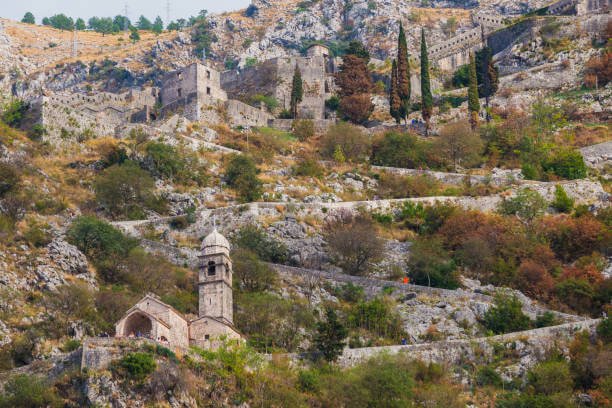
May: Best spring month. Cruise ships present but manageable. The old town is busy but navigable at any hour. Fortress trail comfortable (18–22°C). The Bay of Kotor is vivid and clear.
June: The first half was excellent. The second half (after Serbian school holidays begin) is noticeably busier. Still the best month for the full Kotor experience before summer.
July–August: Kotor is beautiful but challenging. Arrive at the Sea Gate before 9am you will have the old town largely to yourself. By 10am, the cruise passengers arrive. By noon, the narrow streets are very crowded. After 6pm, the day crowds leave and the old town becomes genuinely pleasant again. The fortress climb in July–August heat requires early departure (6:30–7am) and significant water.
September: The sweet spot for Kotor. Cruise ship calls reduce from mid-September. Temperatures drop to a comfortable 24–28°C. The bay light in September morning and evening is extraordinary.
October: The best month for Kotor without question. Virtually no cruise ships. Air temperature 18–23°C ideal for walking, hiking the fortress, exploring at any time of day. October morning mist on the bay is one of Montenegro’s most atmospheric sights.
January–February: Kotor is completely without tourists. Most restaurants and guesthouses remain open. Atmospheric winter bay. Very low accommodation prices. Recommended for the right type of traveler.
The universal tip regardless of month: Whatever month you visit, arrive at Kotor Old Town before 9am. This is always the right time. The morning light on the bay is better, the streets are quieter, and the atmosphere is completely different from midday. For the complete guide to Kotor activities and timing, see our things to do in Montenegro guide.
Best Time to Visit Montenegro for Beaches
The Adriatic sea around Montenegro is warm enough for comfortable swimming from June through October.
| Month | Sea Temp | Beach Crowds | Rating |
|---|---|---|---|
| May | 19–20°C | Low | ⭐⭐⭐☆☆ Chilly but quiet |
| June ⭐ | 21–22°C | Moderate | ⭐⭐⭐⭐⭐ Warm sea, manageable |
| July | 24–25°C | Very High | ⭐⭐⭐☆☆ Warm but overcrowded |
| August | 25–27°C | Peak | ⭐⭐⭐☆☆ Warmest sea, extreme crowds |
| September ⭐⭐ | 24–25°C | Moderate | ⭐⭐⭐⭐⭐ Best — warm + manageable |
| October ⭐ | 20–21°C | Low | ⭐⭐⭐⭐☆ Still swimmable, empty beaches |
Best beaches for each traveler type:
- Budva Riviera has the most popular facilities. Best in June or September.
- Mogren Beach (Budva) cliff tunnel access naturally limits crowds. Any warm month is good.
- Sveti Stefan beach is a stunning location. Manageable outside July–Aug.
- Petrovac and Buljarica are quieter than Budva in any month.
- Ulcinj / Velika Plaža 13km sandy beach, best for kite surfing, quietest outside July–August.
Best Time to Visit Montenegro for Hiking and National Parks
Durmitor National Park
- Hiking season: June–October.
- Best months: June (green, snow cleared from most trails) and October (vivid autumn colours).
- Ski season: December–March at Žabljak.
- The Black Lake circuit (3.5km, easy, 1.5 hours) is accessible from late May. Higher routes above 2,000m open June–July. October brings the most visually dramatic conditions vivid red, gold, and amber forest against dramatic peaks and calm lake surfaces.
- Avoid hiking: November–May on high trails (snow). July–August at lower altitudes (extreme heat for strenuous sections).
Lovćen National Park
- Best time: May–October.
- Best months: May (vivid green, wildflowers) and September (clear air, sharpest panoramic views across the Bay of Kotor). The Njegoš Mausoleum viewpoint (461 steps from car park) is accessible year-round. The panoramic views across the Bay of Kotor and toward the Adriatic are clearest in spring and autumn when summer haze is absent.
Lake Skadar National Park
- Best time: April–October.
- Best months: May (water lily bloom, bird breeding season) and September (calmer weather, bird migration adds to resident pelican population). Boat tours from Virpazar run April–October. The water lily blooms in May is the most visually spectacular time on the lake. October gives quiet boat tours with extraordinary mountain reflections in still water.
What Is the Cheapest Time to Visit Montenegro?
| Season | Saving vs August Peak | Trade-off |
|---|---|---|
| January–February | 50–65% cheaper | Cold, rainy, many places closed |
| March–April | 40–55% cheaper | Sea too cold, some places not open |
| May | 20–35% cheaper | Excellent — minimal trade-off |
| October ⭐ | 30–45% cheaper | Best value month — sea warm, few crowds |
| November | 50–60% cheaper | Many places closing, high rainfall |
The best-value warm-weather month is October 30–45% cheaper than August, sea still swimmable (20–21°C), uncrowded towns, and national parks at their visual peak. It is the only month that gives you a genuine warm-weather Montenegro experience at off-season prices. For hotel and accommodation recommendations, see our where to stay in Montenegro guide.
May is the best spring value equivalent to similar savings with the added benefit of vivid green landscapes and Lake Skadar lily season.
What Is the Worst Time to Visit Montenegro?
There is no single worst month; it depends entirely on what you want.
- Worst for sightseeing: July–August. Extreme heat (35–38°C), cruise ship crowds in Kotor, peak prices, heavy coastal road traffic.
- Worst for beaches: November–April. Sea temperatures of 14–17°C are too cold for comfortable swimming. Most beach infrastructure is closed.
- Worst for hiking: November–May for Durmitor high routes (snow on trails). July–August for low-altitude hiking (extreme heat).
- Worst for budget travelers: July–August. Accommodation, flights, and restaurants all at annual peak prices.
- Worst overall for a first-time visitor: August unless beaches are your only goal. The combination of extreme heat, maximum crowds, peak prices,and difficult Kotor sightseeing conditions makes it genuinely challenging for anyone wanting more than the beach.
- Best time to visit Croatia and Montenegro together: May and September. Both countries share the Adriatic climate with warm, sunny, manageable crowds in these months. September is the single best month for the combined trip.
When Should You Visit Montenegro?
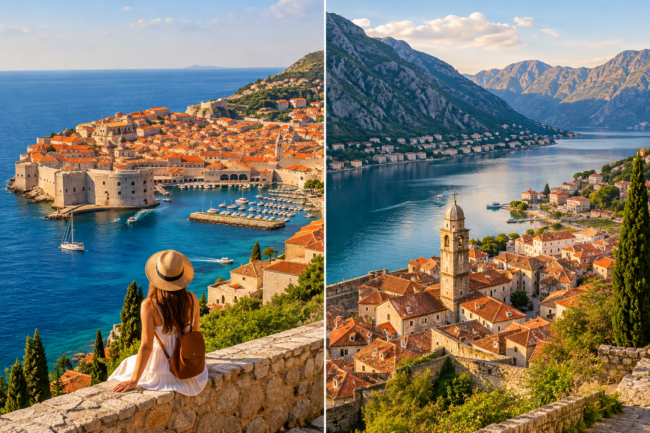
- For most travelers: September. Warm sea, warm weather, noticeably fewer crowds than July–August, and prices beginning to fall. If you can only go once and want the best overall experience, choose September.
- For hikers and photographers: October. Durmitor in autumn colour, uncrowded old towns, 30–40% cheaper accommodation, sea still warm enough to swim.
- For beaches with fewer crowds: June. Warm sea (21–22°C), full infrastructure, 15–25% lower prices than July. Go in the first two weeks for the best balance.
- For maximum budget savings with warm weather: October is the best value warm-weather month in Montenegro.
- For skiing: December–March at Žabljak (Durmitor) or Kolašin.
For Kotor completely alone: January or February atmospheric, remarkably affordable, and unlike any other time of year. Whatever month you choose, arrive at Kotor Old Town before 9am. That single decision improves your Montenegro experience more than any other planning choice. Visit the official Montenegro tourism website for current seasonal opening dates, national park conditions, and event calendars.
🌤️ Best Time to Visit Montenegro
⭐ September — Best Overall
Enjoy warm sea temperatures of around 24–25°C, fewer crowds, and falling prices. September is also an excellent month for combining Croatia and Montenegro.
🍂 October — Best for Autumn Scenery
Explore quieter towns, enjoy autumn colours in Durmitor, and look for lower accommodation prices. The sea may still be swimmable, especially in early October.
🌿 May–June — Best for a Balanced Trip
Expect greener landscapes, pleasant sightseeing weather, and a good balance between visitor numbers and outdoor activities.
⚠️ July–August — Peak Season
Expect hotter sightseeing conditions, busy coastal towns, cruise-ship crowds in Kotor, and peak accommodation prices.
📍 Quick Guide: When to Go
- Best time to visit Kotor: May, September, and October
- Best for Croatia + Montenegro: September
- Best for Durmitor skiing: December–March
💡 Travel tip: For warm coastal weather with fewer crowds, September is a great starting point for planning your Montenegro trip.
What Is the Best Time to Visit Montenegro?
May, June, and September are excellent months for comfortable sightseeing and outdoor activities. July and August are best for beach holidays but are usually busier and more expensive.
What Are the Summer Months in Montenegro?
Summer runs from June to August. These months are ideal for swimming, beaches, boat trips, and coastal nightlife, especially around Budva and the Bay of Kotor.
Is Montenegro Still Hot in October?
October is generally milder than summer, especially along the coast. You may still enjoy sunny days and occasional swimming, but rain becomes more likely.
How Many Days Should You Spend in Montenegro?
Three days can cover key coastal highlights, while five to seven days allow more time for Kotor, Budva, Lake Skadar, or the mountains.
What Is the Best Way to Travel to Montenegro?
Flying is convenient for international visitors, with airports in Podgorica and Tivat. Once there, buses connect major towns, while renting a car offers more flexibility for exploring remote areas.
What Is the Prettiest Town in Montenegro?
Kotor is a popular choice for its medieval Old Town and dramatic bay views. Perast is known for its waterfront charm, while Budva combines historic streets with beaches.
What Should You Be Careful of in Montenegro?
Watch for heavy coastal traffic during summer, winding mountain roads, sudden weather changes, and seasonal closures. Check local conditions before hiking or driving in remote areas.
Where Should You Stay in Montenegro for the First Time?
Kotor is ideal for history and scenic views, while Budva suits beach lovers and nightlife seekers. Tivat offers a modern waterfront atmosphere, and Žabljak is a good base for exploring Durmitor National Park.
