

Montenegro Travel Budget: How Much Does a Trip to Montenegro Cost in 2026?
Montenegro offers an impressive mix of Adriatic beaches, medieval towns, dramatic mountain landscapes, and unforgettable experiences all without the price tag of some neighbouring European destinations. But how much does a trip to Montenegro actually cost in 2026? Whether you’re planning a budget-friendly escape or a comfortable week exploring the coast and mountains, understanding the Montenegro travel budget can help you make the most of every euro.
In this guide, you’ll find realistic estimates for accommodation, food, transport, activities, daily spending, and total costs for a 7-day trip. If you’re still planning your itinerary, explore our guide to the best things to do in Montenegro and discover the best time to visit Montenegro to help plan your trip around your interests and budget.
Table of Contents
Is Montenegro Expensive? The Short Answer
No Montenegro is not expensive by European standards. Most visitors spend between €40 and €140 per person per day depending on travel style, and even the top of that range buys a very comfortable trip. Everyday costs are genuinely low: a bakery breakfast costs €2–3, an intercity bus ride €3–10, and a national park day ticket just €5.
Two things push a Montenegro travel budget upward. The first is the coast in July and August, when Kotor and Budva accommodation can double and beachfront restaurants charge a 30–50% premium over places one street inland. The second is basing yourself only in the famous spots. Inland Montenegro Podgorica, Žabljak, Kolašin is dramatically cheaper, and mixing a few inland days into a coastal trip is the single easiest way to cut your total. Montenegro also uses the euro (adopted unilaterally; the country is not in the EU), so there are no exchange-rate surprises for most visitors.
Montenegro Daily Budget by Travel Style
The table below shows realistic per-person daily costs in 2026, excluding international flights. Couples sharing rooms and rental cars may spend less per person than the estimates shown.
| Category (per day) | Backpacker | Mid-range | Comfort |
|---|---|---|---|
| Accommodation | €15–25 | €35–60 | €90–160 |
| Food & drink | €12–20 | €30–45 | €60–90 |
| Transport | €4–8 | €10–20 | €25–45 |
| Activities & fees | €3–8 | €10–20 | €25–50 |
| SIM, tax & extras | €2–4 | €3–5 | €5–8 |
| Total per day | €40–60 | €90–140 | €200–340 |
Backpacker: A hostel dorm or budget room, burek for breakfast, one meal at a traditional konoba, local buses and free beaches.
Mid-range: A comfortable apartment or 3-star hotel, restaurant meals, paid attractions and occasional taxi rides.
Comfort: A boutique hotel by the bay, seafood dinners, a rental car and guided tours or boat trips.
Accommodation Costs in Montenegro
Accommodation is one of the biggest expenses in a Montenegro travel budget, and prices vary significantly between coastal towns and inland destinations. For itineraries, places and planning beyond costs, see our Montenegro travel guide.
Hostels and Budget Rooms
Hostel dorms cost €15–30 per night: €20–30 inside Kotor’s Old Town in July and August, dropping to €12–18 in May or October; Budva runs €15–25, and Podgorica stays around €12–18 all year. Basic private rooms and guesthouses start at €25–40 on the coast and €20–35 inland in Žabljak, private rooms go for €30–50 in total while dorms sit at €15–25. Travelling as a pair, a shared private apartment often costs less per person than two dorm beds.
Hotels and Apartments
A mid-range apartment or 3-star hotel costs €50–100 per night in Kotor or Budva in summer (decent Kotor apartments average €80–120 in peak weeks), and €40–70 inland or in shoulder season. Four-star and boutique stays run €100–200+, and the luxury resorts around Sveti Stefan and Porto Montenegro in Tivat sit far above that. Book coastal stays 2–3 months ahead for summer; in May, June and September the same apartment commonly drops 30–50%. Add the tourist tax (boravišna taksa) of roughly €1–1.50 per person per night, sometimes collected in cash at check-in rather than included in the online price.
Food and Drink Prices in Montenegro
Eating well is the easiest part of travelling Montenegro on a budget, because the cheap options are also the delicious ones.
Bakery breakfast: A burek (flaky pastry with meat, cheese or spinach) with yogurt costs €2–3 from any pekara.
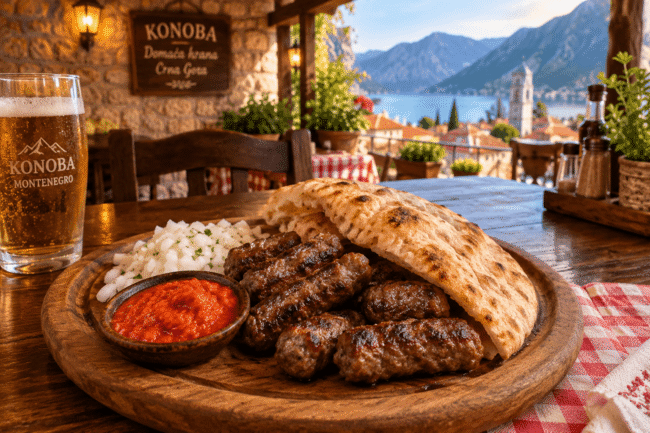
Fast local food: Ćevapi or a pljeskavica burger costs €3.50–6.
Local restaurant main: Grilled meat or fish with salad at a konoba costs €8–15; inland konobas are at the bottom of that range (a full mountain meal with soup in Žabljak can be €6–10).
Mid-range dinner: Two courses with a drink at a good restaurant cost €15–25 per person; a nicer dinner with drinks in a prime tourist spot costs €30–50.
Coffee: Espresso or macchiato costs €1.50–2.50; cappuccino is around €2.
Beer: Local draught beer in a bar costs €2.50–4; a shop-bought bottle costs €1–1.50.
Supermarkets: Bread, cheese, ham and fruit for a self-catered day from Voli or IDEA costs €6–8 — the classic backpacker strategy is bakery breakfast, supermarket lunch, konoba dinner.
Waterfront tables in Budva, Kotor and Perast charge for the view. Walking one street back from the promenade routinely saves a third on identical dishes.
Transport Costs: Buses, Cars and Airport Transfers
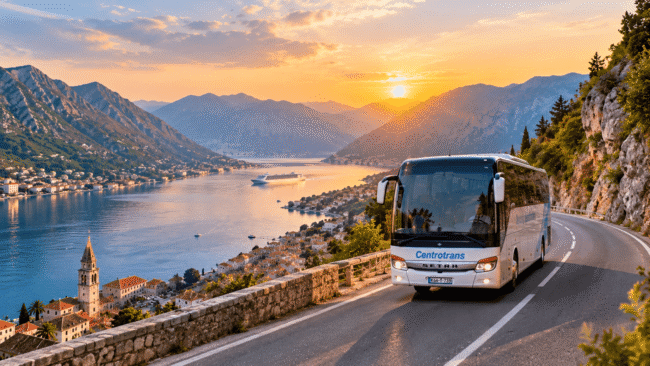
Montenegro is compact coast to mountains is about two hours and its bus network is the backbone of budget travel here. For exact bus, taxi, and transfer prices from Croatia, see our how to get from Dubrovnik to Montenegro guide.
Buses
Intercity buses are cheap and frequent between the main towns:
- Kotor Budva: €3–5 (about 45 minutes)
- Podgorica Kotor: €7–10 (about 2 hours)
- Podgorica Budva: €6–8
- Podgorica Žabljak: €9–12
- Local town buses: €0.80–1.50
Budget for a station platform/boarding fee of around €1 on top of some tickets, plus a small luggage fee on some routes. There is no Uber; taxis are plentiful but meters are not universal agree the fare before you get in.
Airport Transfers
Tivat Airport (TIV) is the easy arrival for the coast: a taxi to Kotor takes 15–20 minutes and should cost €10–12 agree it upfront, as unofficial quotes of €20–25 circulate. From Podgorica Airport (TGD) there is no direct airport bus: the budget route is the train from Aerodrom station to Podgorica (€1.20, about 15 minutes) or a fixed-fare taxi to the city centre (€12), then an intercity bus to Kotor (€7–10) roughly €10–12 all-in but slow with luggage.
A direct taxi or pre-booked transfer from Podgorica Airport to Kotor costs €55–70 per car, which split between three or four people beats the bus on convenience and nearly matches it on price.
Car Rental
A small car costs €25–45 per day booked ahead in shoulder season, but peak-summer rates climb steeply a week in July can run €250–700 depending on car class and how late you book. Fuel averages €1.60–1.80 per litre.
A car only pays for itself if you are heading inland (Durmitor, Ostrog, Lake Skadar) or touring the bay’s villages; for a Kotor–Budva–Perast trip, buses are cheaper and parking in the coastal towns (€1–2 per hour, scarce in Kotor) eats the difference. Watch for extras: the Sozina tunnel and the Podgorica–Kolašin motorway tolls are about €2.50 each, and crossing into Croatia or Albania requires a cross-border “green card” fee of roughly €40–70 from the rental company.
Activities and Entrance Fees
Montenegro’s headline sights are remarkably cheap with one famous exception.
- Kotor city walls & St John’s Fortress (San Giovanni): €15 per adult, charged 1 March–30 November; children under 12 free. Older guides quote €8 that price ended in 2023. Go early to beat the heat and the cruise crowds; the booths are unstaffed in winter, when the climb is effectively free.
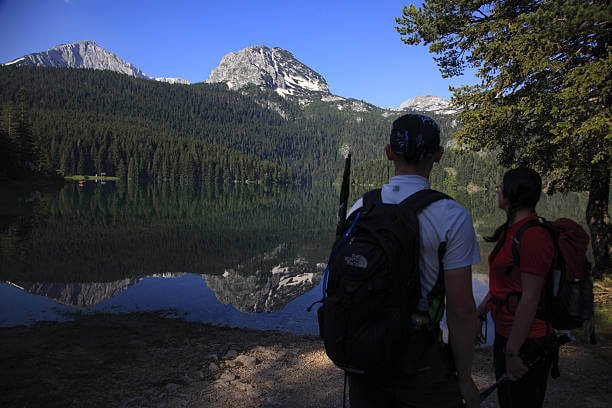
- National parks: €3–5 per day. Durmitor €5, Lake Skadar €5, Biogradska Gora €4, Lovćen €3 (the Njegoš Mausoleum at the summit is €8 extra). Visiting several parks? The annual pass covering all five national parks costs €13.50 it pays for itself in three park days.
- Ostrog Monastery: free (donations welcome). The cliff-built monastery is one of Montenegro’s great sights and costs nothing to enter; budget only for transport buses to Nikšić plus a local taxi, or a day tour from the coast.
- Our Lady of the Rocks, Perast: water taxi about €5 return, plus €2 for the church museum.
- Blue Cave boat trips: the classic 3-hour group speedboat tour from Kotor (Blue Cave, Our Lady of the Rocks, Mamula Island, submarine tunnels) costs €35–45 per person; private boats start around €200 per boat.
- Tara River rafting: €40–60 for a one-day trip with lunch some of Europe’s best-value white water.
- Beaches: entry is free by law; the cost is the sunbed set, €10–40 per day at popular Budva Riviera beach clubs in peak season. Bring your own towel and lie where the locals do.
- SIM and data: Montenegro is outside the EU, so EU roaming deals usually don’t apply. A local tourist SIM or eSIM with a generous data package costs about €5–10 at the airport or any phone shop far cheaper than roaming, and handy for bus times and maps.
Want the full list of what to spend on? Our guide to the best things to do in Montenegro covers the highlights town by town.
Sample 7-Day Montenegro Budgets
Putting it together: here is what a week in Montenegro costs per person, excluding international flights, at each travel style.
| 7-day trip (per person) | Backpacker | Mid-range | Comfort |
|---|---|---|---|
| Accommodation (7 nights) | €105–175 | €245–420 | €630–1,120 |
| Food & drink | €85–140 | €210–315 | €420–630 |
| Transport | €30–55 | €70–140 | €175–315 |
| Activities & fees | €20–55 | €70–140 | €175–350 |
| Total for 7 days | €280–420 | €630–980 | €1,400–2,380 |
In practice, a mid-range couple sharing an apartment and splitting costs typically lands around €1,150–1,600 for two people for the week Mediterranean scenery, walled old towns and mountain lakes included. A backpacker who leans on bakeries, buses and free beaches can keep a week near €300, while comfort travellers get boutique hotels, seafood dinners and private boat days for less than a comparable week in Croatia or Italy.
Prefer video? Watch our area-by-area breakdown of where to base yourself:
Video: Where to Stay in Montenegro Best Areas & Hotels Guide
10 Money-Saving Tips for Montenegro
- Travel in June or September. Warm sea, open businesses, and accommodation 30–50% below August prices. May and October are cheaper still.
- Buy the €13.50 national parks annual pass if you’ll visit three or more park days day tickets otherwise add up at €3–5 each.
- Eat at konobas one street back from the waterfront and make the pekara bakery your breakfast spot (€2–3 instead of a €15 hotel breakfast).
- Sleep inland for part of the trip. Žabljak and Podgorica rooms cost half the Kotor equivalent, and the mountains are a highlight, not a compromise.
- Use buses between coastal towns (€3–5 Kotor–Budva) and save the rental car for inland days only hire it for 2–3 days, not the whole week.
- Carry cash in small notes. Markets, rural guesthouses, boatmen and some buses are cashonly; €50–100 in euros avoids ATM-fee surprises. Always choose to be charged in euros at ATMs, never in your home currency.
- Skip the sunbed set. Beaches are public and free; a €10–40 lounger rental is pure margin. Buy a €5 beach mat instead.
- Book boat trips at the harbour, not through your hotel. Kotor and Budva harbour operators undercut hotel-desk prices by 10–20% on Blue Cave and bay tours.
- Get a local SIM or eSIM on arrival (€5–10) instead of paying your home operator’s non-EU roaming rates.
- Climb Kotor’s walls early or in winter. The €15 fee applies March–November when booths are staffed; in December–February the route is unstaffed and a sunrise climb in season beats the crowds for free.
Cheapest Time to Visit Montenegro
The cheapest months overall are November to April, when coastal accommodation is at rock bottom but many coastal businesses close and the sea is cold, so this suits city-and-mountain trips (and skiing at Kolašin) better than beach holidays. The best value sweet spot is the shoulder season: May–June and September–early October combine swimmable weather with prices 30– 50% below the July–August peak. If you must come in high summer, book everything early and weight your itinerary inland, where Durmitor’s hiking season is at its best and prices barely move.
Final Thoughts: Planning Your Montenegro Travel Budget
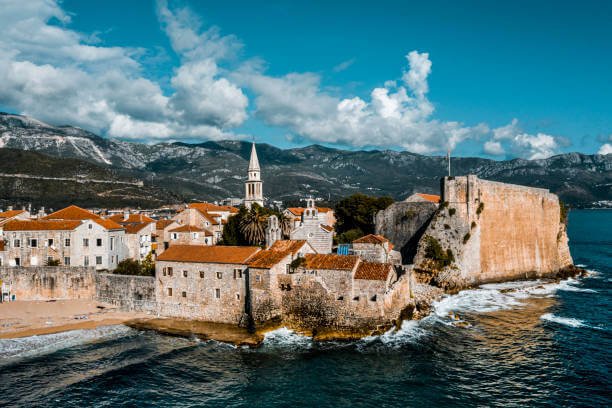
A well-planned Montenegro travel budget lets you experience the country’s stunning coastline, historic towns and dramatic mountain scenery without overspending. From exploring the Bay of Kotor and hiking around Durmitor’s glacial lakes to visiting Ostrog Monastery and relaxing on free public beaches, many of Montenegro’s best experiences are affordable or cost nothing at all.
For 2026, plan around €40–60 per day for a backpacker, €90–140 for a mid-range trip, or €200+ for a comfort-focused stay, excluding international flights. Save money with bakery breakfasts, local konobas, public transport and accommodation outside the busiest coastal areas. June and September can offer a useful balance between warm weather and seasonal demand, while inland destinations may help reduce your overall spending.
For official visitor information, consult the National Tourism Organisation of Montenegro. For additional traveller-reported price estimates, compare BudgetYourTrip’s Montenegro data with TravelTrack’s Montenegro cost breakdown.
Price estimates reviewed in October 2026 using competitor travel guides and operator listings, including TravelTrack, BudgetYourTrip, WhatWhereVacay, Montenegro.com, TakeYourBackpack, Chasing the Donkey, Kotor Blue Cave Tour operators, AtoB and local taxi operators. All figures are approximate estimates, not guaranteed quotes. Actual costs vary by season, destination, availability and travel style.
Is Montenegro expensive compared to Croatia?
Montenegro can be more affordable than Croatia, particularly for accommodation, local restaurants and everyday expenses. However, prices in popular destinations such as Kotor and Budva can rise significantly during July and August. Your overall budget depends on the season, accommodation type and travel style.
How much does a meal cost in Montenegro?
A bakery breakfast such as burek may cost around €2–3, while a main course at a local restaurant typically costs €8–15. A mid-range dinner with a drink can cost €15–25 per person, with higher prices at upscale restaurants in busy coastal areas.
How much cash should I carry in Montenegro?
Carrying €50–100 in cash can be useful for small purchases, local markets, rural guesthouses and businesses that do not accept cards. Cards are commonly accepted at hotels, supermarkets and many restaurants, but acceptance varies by location. Keep some cash available when travelling to remote areas.
Do you need to tip in Montenegro?
Tipping is appreciated but generally modest. You can round up the bill or leave around 5–10% for good restaurant service. For taxis, rounding up the fare is usually sufficient. Tipping is not generally expected for every small purchase.
Is it cheaper to rent a car or use buses in Montenegro?
Buses are usually cheaper for travelling between popular coastal towns, with many intercity fares costing approximately €3–12. Renting a car can offer better flexibility for exploring Durmitor National Park, Lake Skadar and other inland destinations. Compare the rental fee, fuel, parking and insurance before deciding.
How much does a 7-day trip to Montenegro cost?
For seven days, excluding international flights, estimate around €280–420 per person for a backpacker trip, €630–980 for a mid-range holiday, and €1,400–2,380 for a comfort-focused trip. Actual costs depend on the season, accommodation, transport and activities.
Is Montenegro affordable for tourists?
Montenegro can suit a range of budgets. Travellers can save money by staying in guesthouses, eating at local bakeries and restaurants, using public transport and enjoying free beaches and hiking trails. Popular coastal resorts and peak-season accommodation can make a trip more expensive.
What is the cheapest month to visit Montenegro?
November to March is generally quieter and can offer lower accommodation prices, although coastal businesses may have reduced opening hours and mountain destinations can experience winter conditions. For warmer weather with potentially less demand than peak summer, consider May, June or September, while comparing prices for your dates.
How much does a bottle of wine cost in Montenegro?
A bottle of locally produced wine bought from a supermarket may cost roughly €5–10, while restaurant prices are usually higher. Premium wines and bottles ordered at upscale coastal restaurants can cost considerably more. Prices vary by brand, venue and location.
Is seven days enough to visit Montenegro?
Yes. Seven days is enough to explore several coastal destinations, such as Kotor and Budva, and include an inland excursion. A balanced itinerary could combine the Bay of Kotor, coastal beaches and either Lake Skadar or Durmitor National Park. Visiting both the coast and mountains may require extra travel time.
