

Montenegro Travel Guide: Everything You Need to Plan Your Trip
Quick Answer: Montenegro at a Glance
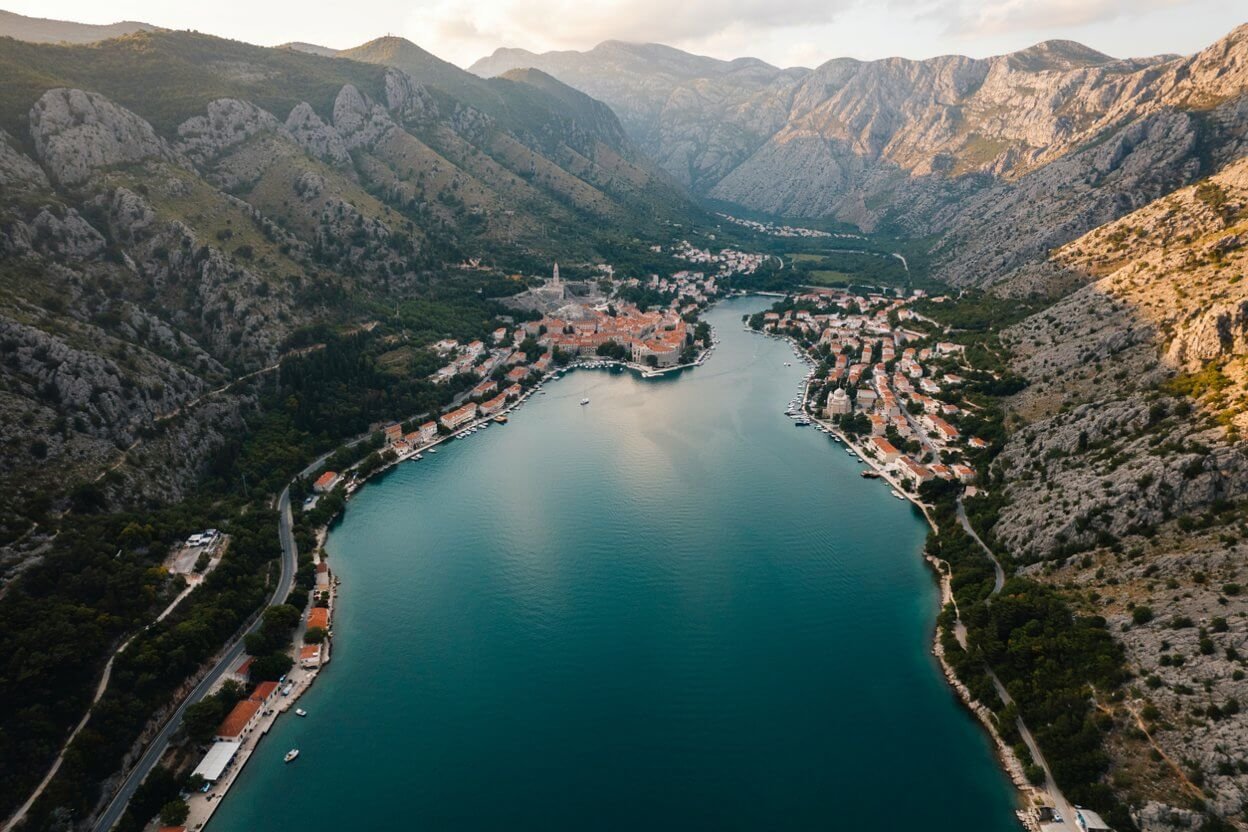
Montenegro is a small Balkan country on the Adriatic coast, known for its UNESCO-listed Bay of Kotor, historic walled towns like Kotor and Budva, the glacial lakes of Durmitor National Park, and the spectacular Tara River Canyon, Europe’s deepest canyon. It is an ideal destination for travelers looking for coastal scenery, mountain adventures, and charming medieval towns.
🚗 Getting Around Montenegro
A rental car is helpful for exploring Montenegro’s mountains, national parks, and remote scenic viewpoints. Public buses are generally enough for traveling between popular coastal towns.
Montenegro is small enough to cross in about three hours, yet a single trip can include a medieval walled town, a boat ride to an island church, a swim in the Adriatic and a hike beside a glacial lake. That variety is what makes planning a trip here both exciting and challenging: the key is deciding where to base yourself, how long to stay and how to get around.
This Montenegro travel guide is the hub for planning your trip. Start by exploring the best things to do in Montenegro to discover the country’s top attractions, then use this guide to plan when to visit, where to stay, how to get there from Dubrovnik, travel costs and solo female safety.
Table of Contents
Montenegro Travel Guide at a Glance
Where Is Montenegro?
Montenegro sits in the western Balkans on the Adriatic Sea, bordered by Croatia, Bosnia and Herzegovina, Serbia, Kosovo and Albania. The capital is Podgorica; the main tourist airport is Tivat, close to the Bay of Kotor.
How Many Days Do You Need in Montenegro?
| Trip Length | What You Can Realistically Cover |
|---|---|
| 3 days | Kotor, Perast, a boat trip, a half day in Budva |
| 5 days | Above, plus Sveti Stefan, a beach day and one day trip |
| 7 days ⭐ | Coast plus Lake Skadar, or coast plus a night in Durmitor |
| 10 days | Full road trip: coast, Ulcinj, lake, Durmitor and Tara Canyon |
Is Montenegro Worth Visiting?
Yes, if you want scenery and old towns without the price level of the busiest Croatian coast. Montenegro is not a cheap country in July and August, and the Kotor and Budva areas get crowded, but shoulder-season trips are good value. The compact size is the real advantage: you spend your time looking at things instead of in transit.
What to Know Before Visiting Montenegro
- Currency: euro, although Montenegro is not in the EU. Carry cash for small restaurants, buses and rural areas.
- Documents: carry your passport. Entry rules depend on nationality and can change,check the official government source for your passport before booking.
- Language: Montenegrin is official; English is common in tourist areas.
- Tourist tax: a small nightly tax usually applies; your accommodation normally handles registration.
Best Time to Visit Montenegro
The short answer: May, June, September and October give the best balance of weather, crowds and prices. July and August are the busiest and hottest months, and Kotor in particular fills up on cruise-ship days.
| Season | Good For | Watch Out For |
|---|---|---|
| Spring (Mar–May) | Sightseeing, green landscapes, Lake Skadar | Cool sea, snow on high trails, some seasonal closures |
| Summer (Jun–Aug) | Beaches, swimming, boat trips | Heat, crowds, traffic, peak prices |
| Autumn (Sep–Nov) ⭐ | Warm sea in September, hiking, fewer crowds | More rain from October; some closures in November |
| Winter (Dec–Feb) | Skiing around Žabljak and Kolašin, quiet coastal towns | Cold, rain, limited seasonal services |
The coast and the mountains behave differently: a sunny day in Kotor can be a cold one in Žabljak. For month-by-month detail, sea temperatures and a Kotor-specific timing guide, read our best time to visit Montenegro.
Best Places to Visit in Montenegro
Kotor and the Bay of Kotor
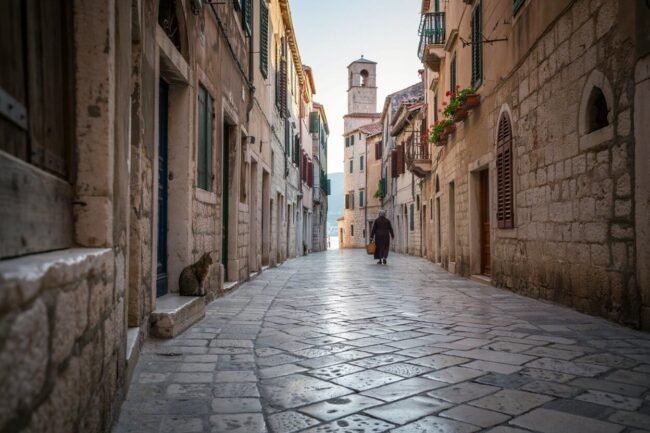
This Kotor Montenegro travel guide section is short on purpose: Kotor is the best first base for most visitors. The UNESCO-listed Old Town is compact, walkable and full of cafés, and the bay around it hosts Perast, Our Lady of the Rocks and the boat-trip routes. The fortress climb (around 1,350 steps) is the classic viewpoint; check the current entrance fee and opening hours before you go, as they have changed in recent years.
- Best for: first-time visitors, history, photography.
- Main drawback: cruise-ship crowds between roughly mid-morning and late afternoon in peak season. Arrive early.
Budva and the Budva Riviera
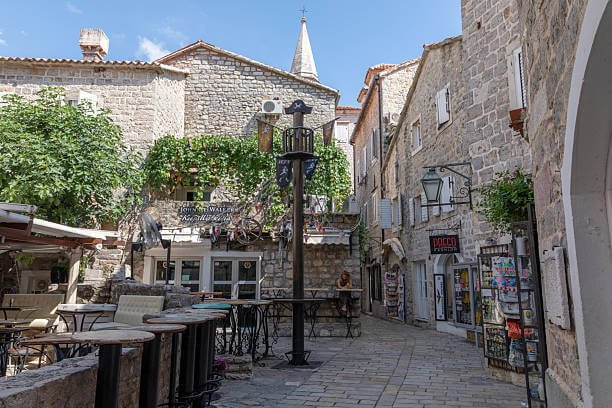
For a Budva Montenegro travel guide in one paragraph: Budva combines a walled Old Town with the country’s busiest beach and nightlife scene. Mogren Beach, reached by a path from the Old Town, is the scenic option; Jaz Beach suits longer beach days. Quieter alternatives such as Petrovac are a short drive south.
- Best for: beaches, nightlife, social travelers.
- Main drawback: traffic and crowds in July and August.
Perast and Our Lady of the Rocks
Perast is a small Baroque waterfront village a short drive from Kotor, with a boat ride to the artificial island of Our Lady of the Rocks. It works as a half-day trip or a quiet overnight stay once day visitors leave.
Tivat and Porto Montenegro
Tivat is the modern, marina-focused town on the bay, home to Montenegro’s main tourist airport. Porto Montenegro offers waterfront dining and yacht-spotting; it is less historic than Kotor but convenient and relaxed.
Herceg Novi
Herceg Novi is the western gateway to the bay and a natural first stop if you arrive from Dubrovnik. Its hillside Old Town, fortresses and long seafront promenade make it a calmer, often cheaper alternative to Kotor.
Sveti Stefan
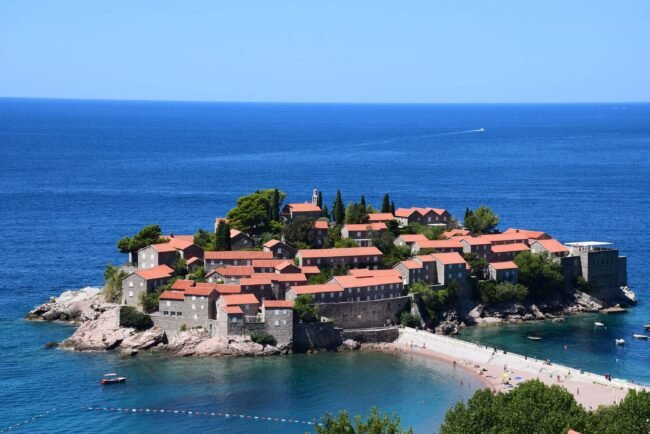
Sveti Stefan is Montenegro’s most photographed view. Access to the island itself has been restricted because of the resort, so plan to enjoy it from the hillside viewpoint or the public beaches nearby, and check current access rules.
Ulcinj and Velika Plaža
Ulcinj, in the far south near the Albanian border, is known for its Old Town and Velika Plaža, a very long sandy beach popular for kitesurfing. It is generally cheaper than Budva and Kotor and has a distinct cultural feel.
Podgorica and Cetinje
Podgorica is the capital and a transport hub more than a destination; one afternoon is usually enough. Cetinje, the former royal capital in the hills, is a good half-day for museums and a slower pace, and sits on the road up to Lovćen.
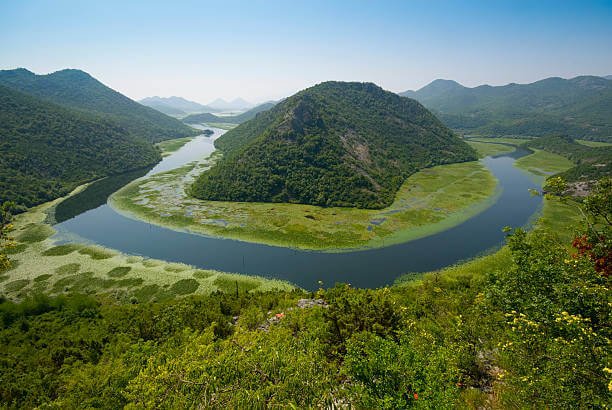
Lake Skadar National Park
Lake Skadar is the largest lake in the Balkans, shared with Albania, with birdlife, island monasteries and wineries. Boat trips usually leave from Virpazar.
Durmitor National Park and Žabljak
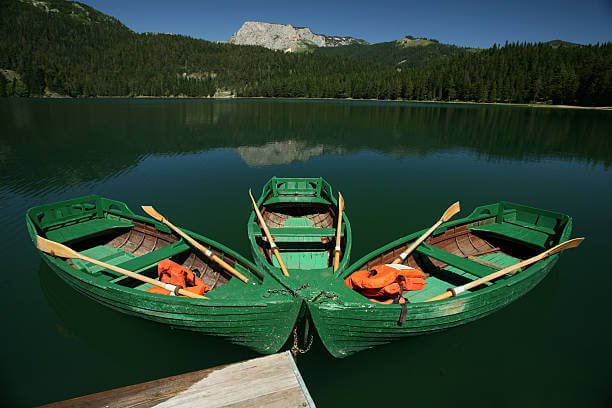
Durmitor, based around the mountain town of Žabljak, has glacial lakes, high peaks and hiking in summer and autumn, and skiing in winter. The easy Black Lake loop is the standard introduction. Official park information: Durmitor National Park.
Tara Canyon and Lovćen National Park
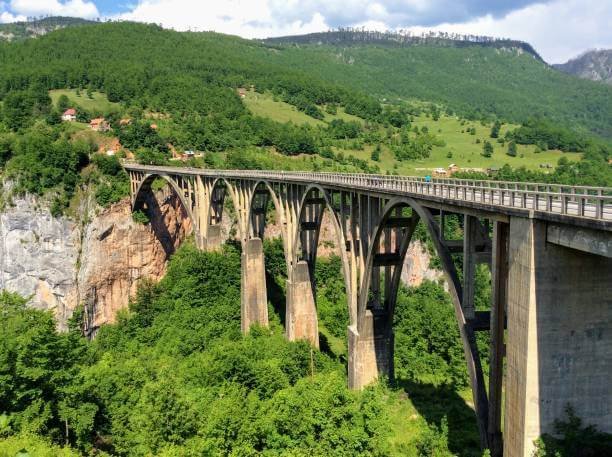
The Tara Canyon, crossed by the Đurđevića Tara Bridge, is a base for ziplining and rafting in season. Lovćen National Park, above Kotor, is known for the Njegoš Mausoleum, the serpentine road and sweeping views. Both are far easier with a car or a tour.
Kotor or Budva: Where Should You Base Yourself?
| Factor | Kotor | Budva |
|---|---|---|
| Atmosphere | Medieval, scenic, quieter evenings | Lively, beach and nightlife focus |
| Beaches | Limited, mostly pebble and platforms | Best on the Riviera |
| Sightseeing | Stronger (Old Town, fortress, bay) | Good (Old Town, citadel) |
| Crowds | Cruise-ship peaks | Summer traffic and beach crowds |
| Best for | First-timers, history, photography | Beach holidays, social travelers |
Short verdict: choose Kotor if you are sightseeing, Budva if beaches and nightlife are the priority. They are roughly 30 to 45 minutes apart, so you can split a week between them.
Suggested Montenegro Itineraries
Travel times below are typical driving estimates without heavy traffic; summer roads and border queues add time.
Montenegro in 3 Days: Kotor and Budva
Day 1: Kotor Old Town early, then the fortress climb or a late-afternoon walk. Overnight: Kotor.
Day 2: Boat trip across the bay with Perast and Our Lady of the Rocks.
Day 3: Drive to Budva (about 40 minutes), Old Town and Mogren Beach, sunset at the Sveti Stefan viewpoint.
Montenegro in 5 Days: Coastal Highlights
Days 1–2: Kotor and Perast. Day 3: Lovćen and Cetinje (Njegoš Mausoleum, serpentine road). Days 4–5: Budva, Sveti Stefan and a beach day or Petrovac.
Montenegro in 7 Days: Coast, Lake and Mountains
Days 1–2: Kotor. Day 3: Perast and a bay boat trip. Day 4: Budva and Sveti Stefan. Day 5: Lake Skadar (boat trip from Virpazar). Days 6–7: Drive north to Žabljak for Black Lake and Durmitor (allow roughly 2.5 to 3 hours from the coast).
Montenegro in 10 Days: A More Complete Road Trip
Days 1–2: Herceg Novi (good if arriving from Dubrovnik). Days 3–4: Kotor and Perast. Days 5–6: Budva and Petrovac. Day 7: Lake Skadar. Day 8: Ulcinj and Velika Plaža. Days 9–10: Durmitor and the Tara Canyon bridge.
Where to Stay in Montenegro
| Base | Best For | Main Drawback |
|---|---|---|
| Kotor | History, bay views, first visit | Crowds, stairs, parking |
| Budva | Beaches, nightlife | Peak-season traffic and prices |
| Tivat | Marina, airport access | Less historic |
| Perast | Quiet, romantic stays | Few rooms, limited nightlife |
| Žabljak | Durmitor hiking and skiing | Remote, mountain weather |
Without a car, stay in central Kotor or Budva so you can walk to restaurants and the bus station. Staying just outside the old-town walls is often cheaper and easier with luggage on cobblestones. For area-by-area advice, see our where to stay in Montenegro guide.
How to Get to Montenegro
Flying into Tivat Airport
Tivat is the closest airport to Kotor and Budva, usually around 15 to 30 minutes by road from Kotor depending on traffic. Book transfers in advance in summer.
Flying into Podgorica Airport
Podgorica suits the capital, the lake, the mountains and the southern coast, and is typically 1.5 to 2 hours from the Bay of Kotor.
Arriving via Dubrovnik, Croatia
Dubrovnik is a popular entry point because of its flight connections. Roads cross the border at Debeli Brijeg; allow extra time in July and August. Full options (bus, private transfer, car, tour) are in our how to get from Dubrovnik to Montenegro guide.
Visa and Entry Requirements
Many nationalities can enter visa-free for short stays, but rules depend on your passport and can change. Check the official government travel advice for your country, for example the UK guidance or the US State Department , and always carry your passport.
Getting Around Montenegro
| Option | Best For | Limitation |
|---|---|---|
| Rental car | Durmitor, Skadar, Lovćen, flexibility | Narrow mountain roads, parking in old towns |
| Bus | Coastal towns, low cost | Schedules are approximate; carry cash |
| Taxi / transfer | Airport arrivals, short hops | Agree the fare first |
| Tours and boats | Bay trips, Ostrog, Skadar without a car | Fixed schedule |
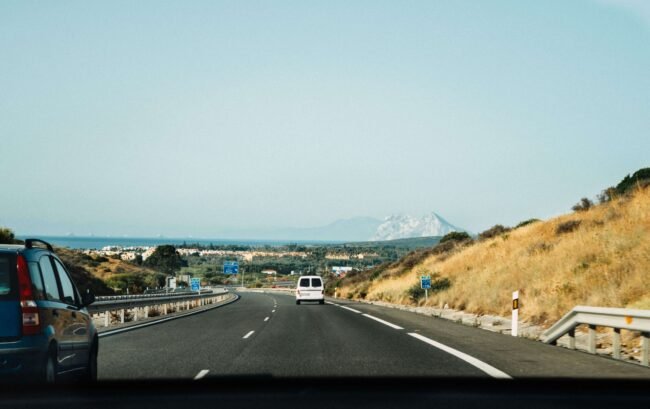
Is Montenegro easy without a car? Yes on the coast, no for the mountains. Mix buses for coastal hops with one organised tour or a short car rental for Durmitor. If driving, expect narrow, winding roads, heavy summer traffic and limited old-town parking.
Is Montenegro Expensive?
Costs below are planning estimates, not quotes. Prices vary by town, season and booking date, so check current rates before you book.
| Traveler Type | Estimated Daily Spend (excl. flights) | Typical Style |
|---|---|---|
| Budget | €50–70 | Hostel or guesthouse, local food, buses |
| Mid-range | €100–150 | Hotel or apartment, restaurants, some tours |
| Comfortable | €180+ | Boutique hotel, car rental, private tours |
Accommodation is the biggest swing: the same room in Kotor or Budva can cost far more in August than in October. For a line-by-line breakdown, see our Montenegro travel budget guide.
Montenegro vs Croatia and Albania: Which Is Cheaper?
Montenegro is generally cheaper than the busiest Croatian coast, especially outside Kotor and Budva in peak season. Albania is generally cheaper than Montenegro for accommodation, food and transport. Montenegro uses the euro and has a more developed coastal tourism market, which pushes up prices in summer. If budget is your main driver, shoulder season in Montenegro or a split trip including Albania are the usual strategies.
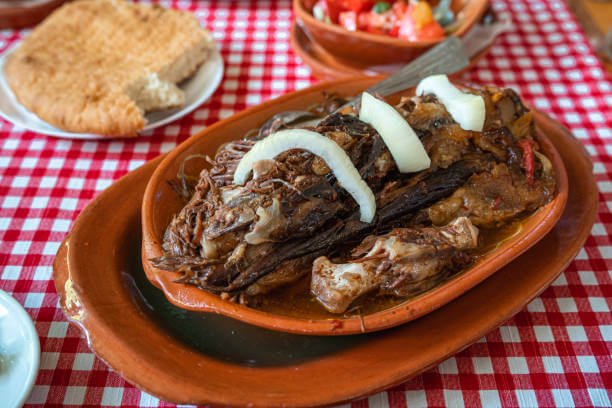
Food to Try in Montenegro
- Njeguški pršut: air-dried ham from the Njeguši area above Kotor, usually served with local cheese.
- Grilled fish and seafood: the coastal staple; ask what came in that day.
- Kačamak: a hearty cornmeal and cheese dish common in the mountains.
- Burek: a flaky pastry sold in bakeries, a cheap breakfast or lunch.
- Vranac: Montenegro’s signature red wine, often from the Skadar area. Restaurant prices are higher in old-town centres and waterfront terraces than a street or two back. Booking ahead helps at popular restaurants in July and August.
Essential Montenegro Travel Tips
Currency and Payment Methods
The euro is used. Cards work in most hotels and many restaurants, but carry cash for buses, small cafés, bakeries, markets and some attractions.
Language and English in Tourist Areas
English is common in hotels, restaurants and tour offices in the main resorts. Learning “hvala” (thank you) and “molim” (please) goes a long way elsewhere.
Safety and Travel Insurance
Montenegro is generally considered safe for tourists. Watch belongings in crowded places, drive carefully on mountain roads and check mountain weather before hiking. Check current advice from your government before you travel. Solo female travelers can read our dedicated is Montenegro safe for solo female travelers guide. Take travel insurance that covers any hiking or adventure activities you plan.
Mobile Data and eSIMs
Local SIM cards are easy to buy on arrival (bring your passport), and eSIMs are the no-queue option. Coverage is good on the coast and weaker on high mountain trails.
Road Conditions and Parking
Coastal roads are straightforward; mountain roads are narrow with sharp bends. Parking inside Kotor and Budva Old Towns is not practical, so use car parks outside the walls and allow a short walk.
Responsible Travel and Local Customs
Dress modestly at churches and monasteries, avoid leaving litter on trails and beaches, and support small local guesthouses and restaurants where you can.
Final Thoughts: Your Montenegro Travel Guide in Short
If you only remember five things from this Montenegro travel guide: go in May, June, September or October; base yourself in Kotor for a first visit; give yourself five to seven days; rent a car only if you want the mountains; and carry your passport and some cash.
From here, go deeper with the guide that matches your next decision:, and is Montenegro safe for solo female travelers.
Before you book, confirm entry rules, prices, opening hours and seasonal schedules with official sources such as Montenegro’s national tourism site, because these change.
Closing Summary: Montenegro Travel Guide
Planning a trip to Montenegro? From the beautiful Adriatic coastline to the dramatic mountain landscapes, Montenegro offers something for every traveler. Use these essential travel tips to plan your visit, choose the right base, and make the most of your trip.
📍 Where to Stay in Montenegro
Kotor: Best first base for exploring historic towns and the Bay of Kotor.
Budva: Ideal beach base for seaside relaxation and nightlife.
Žabljak: Best base for mountain scenery, Durmitor National Park, and outdoor adventures.
🚗 Getting Around
Public buses are generally sufficient for exploring Montenegro’s popular coastal towns. For mountain destinations and remote areas, renting a car or joining an organized tour is usually the better option.
🎒 Final Travel Tips
- Carry some cash in euros for small purchases and local transport.
- Keep your valid passport and required travel documents with you.
- Check entry requirements for your nationality before departure.
- Verify accommodation, transport, and activity prices before booking.
Remember: Plan ahead, choose the right travel base, and check the latest entry rules and prices before travelling to Montenegro.
What is the best month to visit Montenegro?
May, June, and September are excellent months to visit Montenegro for pleasant weather and fewer crowds than peak summer. July and August are best for beach holidays but tend to be busier.
What are the most beautiful towns in Montenegro?
Kotor, Perast, Budva, and Herceg Novi are among Montenegro’s most beautiful towns. Kotor is known for its medieval Old Town, Perast for its waterfront scenery, and Budva for its beaches and historic center.
Where is Montenegro located?
Montenegro is a country in southeastern Europe, in the western Balkans. It lies along the Adriatic Sea and shares borders with Croatia, Bosnia and Herzegovina, Serbia, Kosovo, and Albania.
How many days in Montenegro are enough?
Three days are enough for a short coastal trip, while five to seven days allow you to explore coastal towns and add destinations such as Lake Skadar or Durmitor National Park.
What is a good itinerary for a trip to Montenegro?
A three-day itinerary can focus on Kotor, Perast, and Budva. With five days, you can explore more of the coast and Lake Skadar. A seven-day trip gives you time to include Montenegro’s mountains and national parks.
What should tourists be careful of in Montenegro?
Watch for summer traffic, narrow mountain roads, crowded tourist areas, and changing weather in the mountains. Keep valuables secure and check border conditions if travelling by road from a neighboring country.
Is Montenegro nicer than Croatia?
Both countries offer beautiful Adriatic coastlines and historic towns. Montenegro is a good choice for combining coastal scenery with mountain adventures, while Croatia offers a larger range of established coastal destinations and islands. The better option depends on your budget and travel preferences.
Is Montenegro friendly to American tourists?
Montenegro welcomes international visitors, including Americans. English is commonly spoken in many tourist areas, particularly along the coast, although learning a few basic Montenegrin phrases can be helpful.
Where is the prettiest place in Montenegro?
Kotor Bay is one of Montenegro’s most scenic areas, with mountain views, waterfront villages, and historic towns. Perast, Lovćen National Park, and Durmitor National Park are also worth visiting for their distinctive landscapes.
